

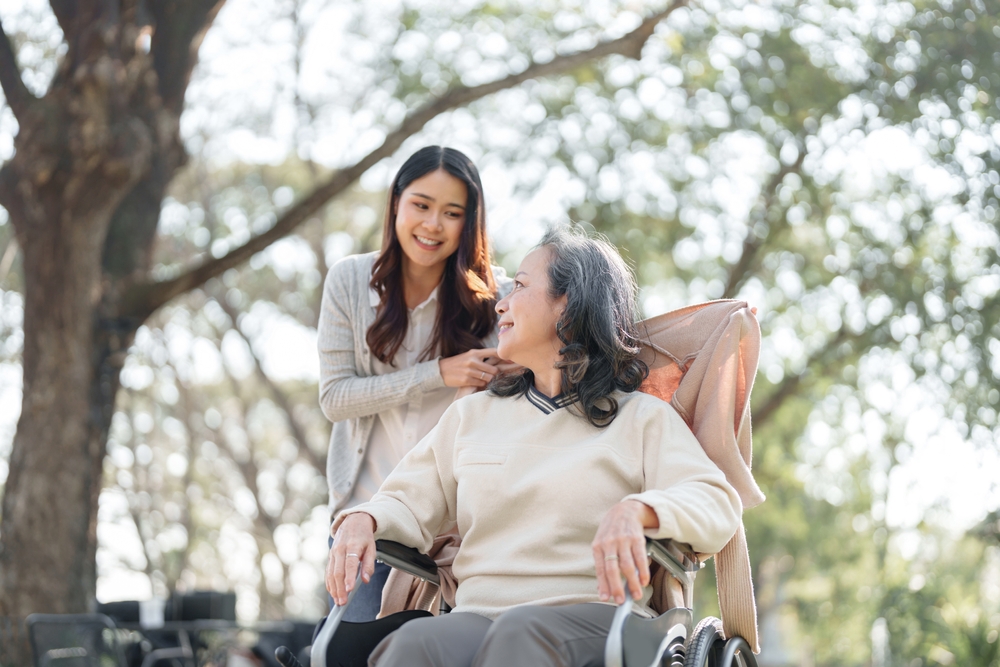
CareNetLA’s fall risk prevention care combines a home safety assessment, mobility support, and caregiver training to reduce fall risk for seniors living at home. Every plan begins with an RN-supervised intake that identifies the specific factors contributing to a client’s risk, followed by hands-on support with transfers, ambulation, and daily movement throughout the home.
Request a Private Consultation
What Our Fall Risk Prevention Care Includes
- RN-supervised home safety assessment: A Certified Senior Adviser evaluates the home room by room, identifying hazards specific to your loved one’s mobility and daily routine.
- Mobility and ambulation support: Caregivers assist with transfers, walking, and navigating high-traffic areas of the home.
- Caregiver training on safe transfers: Every caregiver is trained in proper transfer technique to reduce risk during the moments when falls are most likely to occur.
- Ongoing monitoring: Your dedicated care manager reviews the plan regularly as mobility, medication, or health status changes.
Common Fall Risk Factors We Assess
- A previous fall or near-fall
- Reduced leg or hip strength affecting balance
- Changes in gait or unsteady walking
- Memory or cognitive changes that affect hazard awareness
- Medications that cause dizziness or drops in blood pressure
- Vision changes that make it harder to spot obstacles
Request a Private Consultation
Our Approach to Fall Risk Prevention
No two safety assessments produce the same care plan, because no two seniors share the same combination of health history, home layout, and daily routine. Our Certified Senior Advisers evaluate the physical environment and the client’s specific physical condition together, then build a plan that addresses both. Fall risk also connects closely with other care needs: it rises significantly for clients experiencing cognitive decline, which is one reason our fall prevention care works closely alongside our dementia and Alzheimer’s care, and it is a leading cause of hospitalization, which is why we coordinate directly with our hospital-to-home transition care for clients recovering from a fall-related injury.
Home Safety Checklist
Our in-home assessments evaluate factors including:
- Lighting in hallways, stairwells, and entryways
- Grab bars, shower chairs, and non-slip surfaces in the bathroom
- Loose rugs, cords, and clutter along frequently traveled paths
- Stability of railings and stair conditions
- Footwear and mobility aid use around the home
How Care Begins
- Private Consultation: We discuss your loved one’s mobility, health history, and any recent falls or near-falls.
- In-Home Safety Assessment: A Certified Senior Adviser evaluates the home and the client’s physical condition together.
- Care Plan & Caregiver Matching: We build a personalized plan and present a caregiver trained in safe mobility support for your family to approve.
- Ongoing Review: Your care manager adjusts the plan as mobility or health needs change.
Request a Private Consultation
Frequently Asked Questions
How much does fall risk prevention care cost?
Cost depends on the number of hours of caregiver support and the scope of home safety modifications recommended. We provide a specific estimate after an in-home assessment, since every plan is built around your loved one’s actual risk factors rather than a standard package. Contact us to schedule a consultation.
Does insurance or Medicare cover fall prevention care?
Medicare does not cover non-medical daily living support such as mobility assistance or home safety modifications. Some long-term care insurance policies may cover a portion of in-home care costs; we recommend checking your specific policy. CareNetLA’s fall prevention care is typically arranged as a private-pay service.
What happens during a home safety assessment?
A Certified Senior Adviser visits the home, evaluates it room by room for hazards such as poor lighting, loose rugs, or bathroom safety gaps, and assesses your loved one’s specific mobility, gait, and balance. The findings directly shape the care plan and any recommended modifications.
How is this different from general companion care?
General companion care focuses on companionship and light daily assistance. Fall risk prevention care is built specifically around reducing a client’s individual fall risk, including caregiver training in safe transfer technique and a structured home safety assessment that companion care alone does not include.
Can fall risk prevention care be combined with other services?
Yes. Fall risk prevention is often built into a broader care plan alongside dementia care, hospital-to-home recovery, or general personal care, since mobility and safety needs typically overlap with other areas of support.
To schedule your in-home safety assessment, call 310-894-8460 or contact CareNetLA.
Request a Private Consultation